Nipah virus (NiV) is an emerging zoonotic virus belonging to the genus Henipavirus* of the family Paramyxoviridae. First identified during an outbreak in Malaysia in 1998, NiV is recognized as a high-priority pathogen due to its high case-fatality rate and potential for human-to-human transmission. The World Health Organization (WHO) lists Nipah virus as a priority disease requiring urgent research and public health preparedness.
The natural reservoir of Nipah virus is fruit bats (genus Pteropus). Human infection may occur through:
Consumption of food contaminated with bat secretions (such as raw date palm sap or fruit)
Direct contact with infected animals (notably pigs)
Close contact with infected individuals, including exposure to respiratory secretions
The incubation period typically ranges from 5 to 14 days, though longer periods have been reported. Clinical presentation varies from asymptomatic infection to severe disease, including:
Fever, headache, and myalgia
Nausea and vomiting
Drowsiness, altered consciousness
Severe cases may progress to acute encephalitis and respiratory distress
Nipah virus infection is associated with a case-fatality rate of approximately 40%–75%, varying by outbreak and access to healthcare. Survivors may experience long-term neurological complications. At present, no licensed vaccines or specific antiviral treatments** are available; management relies on supportive care.
In the absence of specific therapeutics, prevention focuses on risk reduction and early detection:
Avoiding consumption of potentially contaminated raw foodsImplementing infection prevention and control measures in healthcare settings
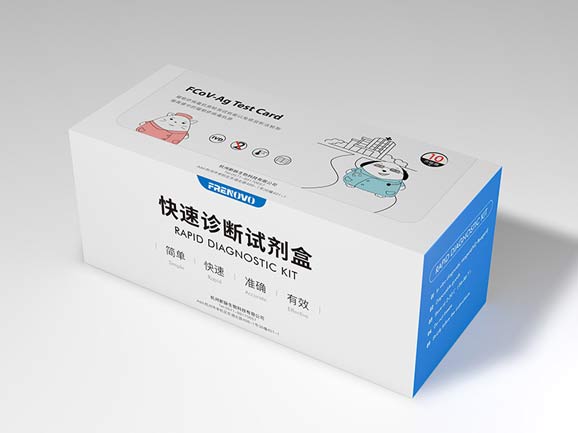
Strengthening laboratory surveillance, including serological testing for IgG and IgM antibodies, to support epidemiological investigations and outbreak response
NiV IgM antibodies may indicate recent or acute infection
NiV IgG antibodies may indicate past exposure or immune response

 English